
 EN
EN
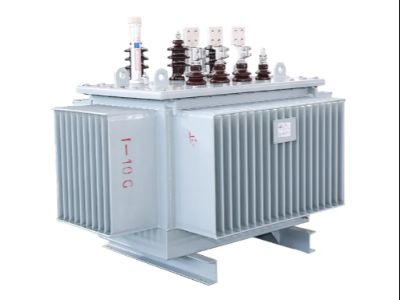
Temperature plays a big role in how oil transformers work. Oil transformers are special machines that help send electricity from one place to another. They use oil to keep things cool. When the temperature changes, it can affect how well these transformers do their job. If it gets too hot or too cold, the oil might not work as it should. This can lead to problems and even damage the transformer. At Dingxin Electric, we understand how important it is to keep oil filled transformer running smoothly, and we want to share how temperature affects their performance.
How to Optimize Oil Transformer Performance in Extreme Temperatures
Keeping oil transformers working well in extreme temperatures is important. When it's really hot, the oil can get thin and might not cool the transformer enough. This can cause the transformer to overheat. To help with this, you can use oil that has better cooling properties. Also, making sure the transformer has proper ventilation can help it stay cool. If it's very cold, the oil can get thick, making it hard for the transformer to work. Heating devices can be added to keep the oil at the right temperature. Regular checks are also super important. At Dingxin Electric, we recommend frequent maintenance to make sure everything is working. If you notice any strange noises or smells, it might be a sign that something isn’t right.
One way to optimize performance is to use temperature sensors. These can tell you if the oil is getting too hot or too cold. If the temperature goes outside the ideal range, you can take action quickly. Another method is to install heaters or coolers that can adjust the temperature of the oil automatically. This way, the transformer can always work at its best. Regular oil testing is also helpful. It lets you know if the oil is still good or if it needs to be changed. With these steps, you can help your oil filled power transformer perform well no matter what the temperature is like outside.
What Temperature Ranges Are Ideal for Oil Transformer Longevity?
Finding the right temperature range for oil transformers is key to making them last longer. Typically, oil transformers work best when the temperature is between 20°C and 80°C. In this range, the oil can cool the transformer effectively. If the temperature goes higher than 80°C, the oil might start to break down. This can lead to less efficient cooling and even damage to the transformer.
On the other side, if temperatures drop below 20°C, the oil can become too thick. This can make it hard for the transformer to run smoothly. It’s like trying to run a bicycle with sticky wheels; it just doesn’t work right. Keeping the oil within this temperature range helps ensure that it can do its job well. At Dingxin Electric, we advise keeping an eye on the weather and adjusting your transformer settings accordingly.
Additionally, using high-quality oil designed for a wide temperature range can also help. Some oils can handle extreme temperatures better than others. This means that even when it’s hot or cold outside, your transformer can still perform well. Regular maintenance checks are also crucial. They help catch any problems before they become serious. By understanding the temperature needs of your oil transformer, you can help it run longer and more efficiently.
How to Choose Oil Transformers That Perform Well in Varying Temperatures
When picking an oil transformer, it’s important to think about the temperature where it will be used. The right choice can make sure the transformer works well, no matter if it’s hot or cold outside. First, look for transformers that are made with high-quality materials. These materials can handle different temperatures better. For example, some transformers use special oils that can stay stable in both very hot and very cold weather. This means they won’t break down or lose their ability to work.
Next, check the transformer’s temperature rating. Every transformer has a rating that shows the highest and lowest temperatures it can work in safely. Make sure to choose one with a wide temperature range. This will help ensure it can handle whatever the weather throws at it. It’s also a good idea to think about the location where the oil filled distribution transformers will be installed. If it’s in a place with extreme temperatures, like a desert or a cold mountain area, choose a transformer that is designed specifically for those conditions.
Finally, consider the design of the oil transformer. Some transformers are built to allow for better cooling. This means that even in high temperatures, they can stay cool and work efficiently. Look for transformers that have good ventilation and cooling systems. At Dingxin Electric, we offer transformers that are designed to perform well in different temperatures, ensuring they are reliable no matter the weather.
Where to Source Oil Transformers with Superior Temperature Performance
Finding the right oil transformer that performs well in different temperatures can be tricky, but there are good places to look. One of the best ways is to go directly to manufacturers like Dingxin Electric. They create high-quality transformers that are made to work well in both hot and cold conditions. When you buy directly from the manufacturer, you can often get better prices and a good warranty.
Another good option is to check online. Many companies sell transformers online, and you can read reviews from other customers. Look for reviews that talk about how well the transformer worked in different temperatures. This can help you make a smart choice.
You can also ask for recommendations from electricians or engineers. They have experience and can tell you which brands and models work best in changing temperatures. Sometimes, local electrical supply stores might also have options that are good for various temperatures. They can help you find the right transformer based on your needs.
In addition, it’s important to ask questions before you buy. Ask about the materials used in the transformer and its temperature ratings. At Dingxin Electric, we are always ready to provide information to help you choose the best oil transformer for your needs. This way, you can be sure you’re getting a product that will perform well, no matter the temperature.
Common Misconceptions About Temperature Effects on Oil Transformers
There are many myths about how temperature affects oil transformers. One common mistake is thinking that all transformers work the same in any temperature. In reality, temperature can greatly impact how well a transformer functions. For example, some people believe that it doesn’t matter if a transformer gets too hot. However, if a transformer is too hot for too long, it can cause damage. This can lead to breakdowns and costly repairs.
Another misconception is that cold temperatures don’t affect transformers. Some people think that cold weather is not a big deal for oil transformers. However, when temperatures drop too low, the oil inside the transformer can thicken. This can make it harder for the transformer to work properly. It’s important to choose transformers that can operate well in both hot and cold weather.
People also sometimes think that all oil transformers are the same. They believe that if you buy an oil transformer, it will work well no matter where you put it. But this is not true. Different transformers are designed for different conditions. Some are better for high temperatures, while others are better for low temperatures. At Dingxin Electric, we aim to clear up these misconceptions. We want our customers to understand that choosing the right transformer for their specific needs is essential for the best performance.
By knowing the truth about how temperature affects oil transformers, you can make smarter choices and keep your systems running smoothly.
Table of Contents
- How to Optimize Oil Transformer Performance in Extreme Temperatures
- What Temperature Ranges Are Ideal for Oil Transformer Longevity?
- How to Choose Oil Transformers That Perform Well in Varying Temperatures
- Where to Source Oil Transformers with Superior Temperature Performance
- Common Misconceptions About Temperature Effects on Oil Transformers