
 EN
EN
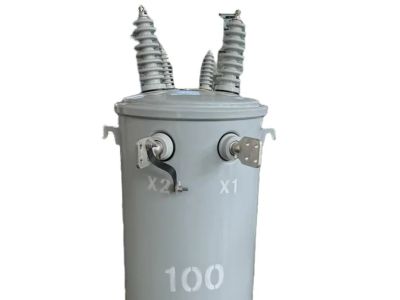
Transformer oil is a specialized fluid used in power transformers to keep them running smoothly and safely. Transformers are vital assets that transport electricity across the electrical grid. If the insulating fluid degrades or becomes contaminated, it can cause severe operational issues for the equipment. This can lead to decreased efficiency, excessive overheating, and even catastrophic system failures. At Dingxin Electric, we recognize that oil quality is paramount for preserving transformer health. In this article, we will examine how the quality of transformer oil directly affects the performance of power transformers and explore the common issues that arise from using compromised fluid
What Is the Impact of Transformer Oil Quality on Power Transformer Efficiency
The quality of transformer core oil is critical to the overall efficiency of the equipment. High-grade oil serves two primary functions: insulating internal components and cooling the transformer by transferring heat away from the core and windings. When the fluid becomes dirty or laden with moisture, its thermal conductivity drops significantly, preventing it from cooling the machine effectively. This results in localized overheating, which drastically accelerates thermal degradation and reduces operational efficiency. Furthermore, low-quality oil breaks down under electrical and thermal stress over time, creating sludge, acids, and polar compounds. This sludge clogs internal cooling ducts, blocks filters, and coats the radiator walls, leading to frequent, costly maintenance shutdowns. By maintaining clean, premium-quality oil, operators can optimize energy consumption, reduce dielectric losses, lower utility costs, and significantly extend the operating lifespan of the asset
What Are the Common Usage Issues with Transformer Oil in Power Applications
Several common operational challenges can severely compromise transformer oil during field applications, with contamination being the most prevalent. Moisture ingress, dust, and particulate matter significantly lower the fluid's dielectric breakdown voltage. For instance, when moisture enters the oil, it can lead to micro-bubble formation under thermal stress, which severely compromises the fluid's insulating capability. Another major concern is oil aging and oxidation. As the fluid handles continuous electrical stress, it undergoes chemical breakdown, leading to distinct discoloration, acrid odors, and an increase in total acidity. Left unmanaged, this acidic environment corrodes internal copper windings and destroys cellulose paper insulation. Lastly, improper handling and storage can introduce contaminants before the oil even enters the equipment. Storing oil in unsealed containers exposed to ambient humidity or dust can ruin an entire batch. Implementing routine oil conditioning, testing, and strict storage protocols is essential to prevent system failures and ensure stable, long-term grid performance
How High-Quality Transformer Oil Extends Equipment Lifespan
core type transformer oil plays a vital role in defining the operational lifespan and safety margins of power transformers. At Dingxin Electric, we emphasize that maximizing an asset's field life depends directly on the chemical stability of its insulating oil. Premium mineral and vegetable-based fluids possess superior cooling properties, allowing them to dissipate heat effectively even during peak load periods or extreme ambient summer temperatures. When a transformer remains within its optimal thermal limits, its internal solid insulation experiences far less stress, preventing premature aging. Conversely, utilizing low-quality or neglected oil speeds up the degradation of the winding insulation, which can culminate in expensive, unrepairable internal short circuits. Investing in high-quality fluid prevents these premature failures, offering utilities and industrial facilities a much more reliable power supply with a significantly lower total cost of ownership
Reducing Industrial Maintenance Costs Through Oil Optimization
Managing maintenance costs is a primary concern for grid operators, and oil quality serves as a direct lever for controlling these expenditures. When a transformer is filled with high-grade, stable insulating oil, the frequency of required service interventions drops substantially. This is because superior oil effectively resists moisture absorption and oxidation, keeping the internal environment free from rust, sludge, and carbon deposits. Consequently, maintenance teams spend far less time on intensive tasks like core cleaning, filter replacements, or emergency fluid changes. On the flip side, running a system on substandard oil triggers a domino effect of mechanical and electrical wear, forcing operators into a cycle of reactive repairs and unplanned outages. By prioritizing premium oil, companies can shift toward a predictable, preventative maintenance schedule, lowering overhead costs and freeing up critical resources
Key Indicators of Transformer Oil Quality to Monitor
To accurately assess whether 3 phase core type transformer oil is fit for continued service, laboratory technicians track several critical performance indicators. The most vital metric is dielectric strength, which measures the oil's ability to withstand electrical stress without breaking down or allowing an arc to form. A high breakdown voltage indicates pristine insulating properties, while a low reading warns of imminent danger. Technicians also monitor the oil's neutralization number, or acidity level; a rising acid count signals that the fluid is oxidizing and starting to attack the internal components. Moisture content is tracked closely as well, as even a few parts per million of water can drastically lower the oil's insulation value and accelerate paper aging. Finally, visual factors like color and clarity offer an immediate field diagnostic; clean oil should be pale and perfectly transparent, whereas dark or cloudy oil indicates heavy carbonization or external contamination. Monitoring these indicators ensures that the power grid operates safely, efficiently, and reliably.
Table of Contents
- What Is the Impact of Transformer Oil Quality on Power Transformer Efficiency
- What Are the Common Usage Issues with Transformer Oil in Power Applications
- How High-Quality Transformer Oil Extends Equipment Lifespan
- Reducing Industrial Maintenance Costs Through Oil Optimization
- Key Indicators of Transformer Oil Quality to Monitor