
 EN
EN
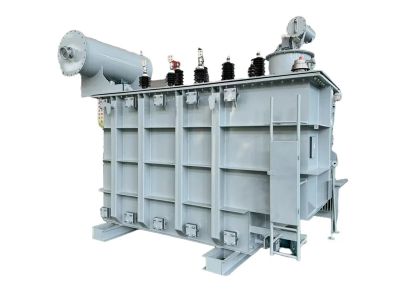
How to Choose a Reliable Power Transformer Supplier for Long-Term Projects?
Power transformers play an important role in electrical distribution systems by changing voltage levels so electricity can be transmitted and supplied safely to homes, businesses, and industrial facilities. For long-term projects, selecting the right transformer supplier is just as important as choosing the right transformer itself. A dependable supplier can help ensure consistent quality, timely delivery, technical support, and reliable performance.
Dingxin Electric understands the importance of finding suitable power transformer solutions for different applications. However, sourcing transformers can involve several challenges, especially when purchasing wholesale or requesting customized equipment. By knowing what to evaluate before placing an order, buyers can reduce risks and build stronger supplier relationships.
What Are the Common Challenges When Sourcing Power Transformers Wholesale?
One of the biggest challenges when sourcing power transformers wholesale is finding a supplier that can consistently meet quality requirements. Some suppliers may offer attractive prices but fail to provide products that meet the expected technical specifications. Poor-quality transformers can lead to equipment failures, project delays, maintenance costs, and unexpected replacement expenses.
Price is another important consideration. A low purchase price may seem attractive, but buyers should not evaluate transformers based on price alone. Manufacturing quality, materials, efficiency, service life, testing procedures, warranty coverage, and after-sales support can all influence the total cost of ownership. A slightly higher initial investment may provide better value when the equipment performs reliably for many years.
Delivery schedules can also create challenges. Large electrical projects often follow strict timelines, and delayed transformer shipments can affect installation and commissioning. Before placing an order, buyers should confirm production capacity, estimated manufacturing time, shipping arrangements, and delivery commitments.
Communication is equally important. Transformer projects can involve technical drawings, electrical specifications, installation requirements, inspection procedures, and customization requests. A supplier that responds clearly and quickly can make the procurement process much easier.
Technical compatibility should also be checked carefully. power transformer on pole differ in voltage ratings, power capacity, frequency, cooling methods, insulation systems, dimensions, connection configurations, and other specifications. Buyers should provide accurate project requirements and ask suppliers to confirm that the proposed equipment is suitable. By considering these factors before ordering, businesses can reduce procurement risks and select a supplier that provides better long-term value.
What Certifications Should a Reliable Power Transformer Supplier Have?
Certifications can provide useful evidence that a supplier follows recognized quality, safety, or environmental management practices. However, buyers should always verify that the certification applies to the relevant company, manufacturing facility, product, and project requirements.
ISO 9001 is one certification that buyers may encounter when evaluating manufacturers. It relates to quality management systems and indicates that an organization has established processes for managing quality consistently. For transformer buyers, this can be a useful part of assessing a manufacturer's overall quality-control approach.
Depending on the destination market, other certifications or compliance requirements may also be relevant. For example, CE marking may be required for certain products placed on the European market. Buyers supplying North American projects may need to consider applicable standards and certifications such as those associated with UL or other recognized testing organizations.
Environmental requirements can also influence purchasing decisions. RoHS requirements may be relevant when restrictions on certain hazardous substances apply to the product or market.
It is important to remember that certification alone does not guarantee that every power transformer and distribution transformer will be suitable for a particular project. Buyers should also request technical documentation, test reports, product specifications, quality-control information, and applicable standards.
A reliable supplier should be able to explain which standards its products follow and provide appropriate documentation when requested. This transparency can make it easier for buyers to evaluate potential suppliers before committing to a large order.
Where Can You Find Custom Power Transformer Suppliers?
When a project requires custom power transformers, buyers need suppliers that can adapt their products to specific electrical and installation requirements. Searching online is a useful starting point because manufacturers often provide product catalogs, technical information, application details, and customization capabilities on their websites.
Dingxin Electric is one supplier that can be considered when researching customized transformer solutions. Buyers should examine the company's product range and determine whether its manufacturing capabilities match the requirements of the intended project.
Online reviews can provide additional insight into customer experiences. When reviewing feedback, pay attention to comments about product quality, communication, delivery, technical assistance, and after-sales service rather than focusing only on overall ratings.
Industry recommendations can also be valuable. Contractors, electrical engineers, distributors, and other professionals may have experience working with transformer manufacturers and can provide useful suggestions.
Trade shows and industry exhibitions are another effective way to find suppliers. These events allow buyers to meet manufacturers, examine products, discuss technical requirements, and compare different solutions. Face-to-face discussions can be particularly helpful for projects involving complex specifications.
Once potential suppliers have been identified, buyers should contact them directly. Provide details about voltage requirements, power rating, frequency, installation environment, dimensions, cooling requirements, applicable standards, and other relevant specifications. A capable manufacturer should be able to review these requirements and explain what solutions are available.
How Can You Assess the Reliability of a Power Transformer Supplier?
After creating a shortlist of suppliers, the next step is to evaluate their reliability. Long-term projects require more than a one-time transaction, so buyers should look for manufacturers capable of providing consistent products and support.
Start by examining the supplier's industry experience. A company with substantial experience may have developed established manufacturing and quality-control processes. However, years in business should be considered alongside actual production capabilities and recent project experience.
Customer references can also be useful. Ask potential suppliers whether they can provide references or examples of completed projects involving similar transformer applications. Speaking with previous customers can help you understand how the supplier handles quality, delivery, communication, and technical support.
Manufacturing quality is another major factor. Ask about the materials used, production processes, testing procedures, inspection standards, and quality-control systems. Reliable suppliers should be able to provide clear technical information rather than making only general claims about quality.
Production capacity should also match the size of your project. A supplier may produce excellent equipment but still struggle to meet a large order within the required timeframe. Confirm the manufacturer's capacity before making commitments.
After-sales service should not be overlooked. power transformer distribution transformer are long-term electrical assets, so technical support can be important after installation. Ask whether the supplier provides documentation, troubleshooting assistance, replacement parts, maintenance guidance, and warranty support. Finally, evaluate communication. A supplier that provides clear answers and maintains good communication throughout the purchasing process is more likely to support a successful long-term relationship.
What Questions Should You Ask Before Choosing a Power Transformer Supplier?
Before signing an agreement, buyers should ask detailed questions to make sure the supplier can meet their requirements. First, ask about the manufacturer's experience and expertise. Find out how long the company has produced transformers and what types of applications it has supported. Experience with projects similar to yours can be particularly valuable.
Next, ask about the manufacturing process. What materials are used? What quality-control procedures are followed? What tests are performed before shipment? Understanding these processes can help buyers evaluate product reliability.
Customization should also be discussed if the project requires special specifications. Ask whether the supplier can modify transformer ratings, dimensions, connections, cooling configurations, enclosure requirements, or other relevant characteristics.
Delivery should be addressed early. Ask about production lead time, shipping arrangements, inspection procedures, and expected delivery dates. If the project has a strict schedule, these details should be included clearly in the purchasing agreement.
Pricing is another important topic. Buyers should request a detailed quotation and ask whether additional charges could apply for customization, testing, packaging, transportation, installation assistance, or other services. Understanding the complete cost helps prevent unexpected expenses.
Finally, ask about warranty and after-sales support. Find out what the warranty covers, how technical problems are handled, and how quickly support can be provided when assistance is required.
Choosing a power transformer supplier for a long-term project requires careful evaluation. Buyers should look beyond the initial price and consider quality, certifications, technical compatibility, production capacity, delivery reliability, customization capabilities, and after-sales service.
By comparing suppliers carefully and asking detailed questions before purchasing, businesses can reduce project risks and establish a dependable supply relationship. Dingxin Electric can be included in the evaluation process for buyers seeking transformer solutions, but the final choice should always be based on verified specifications, applicable certifications, project requirements, and documented supplier capabilities.
Table of Contents
- How to Choose a Reliable Power Transformer Supplier for Long-Term Projects?
- What Are the Common Challenges When Sourcing Power Transformers Wholesale?
- What Certifications Should a Reliable Power Transformer Supplier Have?
- Where Can You Find Custom Power Transformer Suppliers?
- How Can You Assess the Reliability of a Power Transformer Supplier?
- What Questions Should You Ask Before Choosing a Power Transformer Supplier?