
 EN
EN
Oil-immersed transformers equipped with a conservator must accommodate changes in insulating-oil volume as the transformer load and temperature change. When the oil becomes warmer, it expands. When it cools, it contracts.
This thermal cycle causes the air space inside the conservator to exchange air with the atmosphere. Without suitable moisture control, humid air, dust and other contaminants could enter the conservator and affect the condition of the insulating oil.
A transformer breather—also called a dehydrating breather or silica gel breather—dries and filters the air entering the conservator. It acts like a “dry breathing mask” for the transformer, helping protect the insulating system and support reliable operation.
What Is a Transformer Breather?
A transformer breather is an accessory normally connected to the air space of the conservator tank on an oil-immersed transformer. A separate breather may also be installed on the conservator of an on-load tap-changer.
The breather provides a controlled path for air moving into and out of the conservator. During inhalation, incoming air passes through a desiccant—normally indicating silica gel—which absorbs moisture before the air reaches the conservator.
Conventional dehydrating breathers typically contain a transparent chamber filled with silica gel and may include an oil-seal cup at the bottom. Industrial breather manufacturer documentation confirms that incoming air created by thermal contraction passes through the silica gel, while a hydraulic valve can control airflow in both directions.
Why Does Transformer Oil “Breathe”?
Transformer oil changes volume as its temperature changes.
When the oil temperature rises
As transformer load or ambient temperature increases, the insulating oil becomes warmer and expands. The rising oil volume reduces the air space in the conservator, causing air to be discharged through the breather.
When the oil temperature falls
When the transformer cools, the oil contracts. The air space in the conservator increases, drawing outside air inward through the breather.
This process is often described as transformer “breathing.” The breather does not stop the airflow. Instead, it controls and conditions the air exchanged with the atmosphere.

Why Is Moisture Harmful to a Transformer?
The insulation system of an oil-immersed transformer normally includes both insulating liquid and solid cellulose insulation. Moisture entering this system can negatively affect dielectric performance and contribute to insulation ageing.
IEC guidance treats dielectric performance, ageing, stability and liquid-solid interaction as important functional considerations for transformer insulating liquids.
A properly maintained breather helps reduce the amount of atmospheric moisture entering through the conservator. This supports:
- Insulating-oil dielectric performance
- Protection of the transformer’s solid insulation
- More stable insulation condition
- Reduced contamination from humid air
- Longer service life of the oil and insulation system
- More reliable transformer operation
A breather is only one part of transformer moisture management. Gaskets, seals, conservator diaphragms or bladders, oil processing, installation quality and maintenance practices must also be considered.
Main Components of a Conventional Transformer Breather

Although the construction varies by manufacturer and model, a conventional breather may include the following components.
1. Transparent desiccant chamber
The transparent glass or polymer chamber allows maintenance personnel to observe the condition of the silica gel without dismantling the breather.
The chamber should remain clean, intact and properly sealed. Cracks, loose connections or air leakage can allow untreated air to bypass the desiccant.
2. Indicating silica gel
Silica gel absorbs moisture from incoming air. An indicating agent changes colour as the desiccant becomes saturated.
The original and saturated colours depend on the silica gel formulation. For example, some products change from orange to green, while other types may use different colour combinations. Maintenance personnel must follow the colour chart and instructions supplied with the specific breather rather than relying on one universal colour rule.
3. Filters and retaining screens
Screens or filters keep silica gel particles inside the chamber and help prevent desiccant dust from entering or blocking the breathing passage.
4. Oil-seal cup or hydraulic valve
Many conventional breathers include a lower oil cup. It creates a hydraulic seal, helps limit continuous contact between the silica gel and outside air, and can help prevent dust and contaminants from entering the breather.
The oil level must be maintained according to the breather manufacturer’s instructions. Too little oil can compromise the seal, while incorrect filling may restrict normal airflow.
5. Connection pipe and flange
The connection pipe links the breather to the conservator air space. The pipe, gasket and flange must remain sealed and unobstructed so that air passes through the breather rather than through an uncontrolled leakage point.
How Does a Transformer Breather Work?
During transformer inhalation, outside air enters through the lower section of the breather. Depending on the design, it passes through the oil seal or hydraulic valve and then through the silica gel.
The silica gel absorbs water vapour from the incoming air. The dried air then travels through the connection pipe into the conservator.
During exhalation, air flows in the opposite direction and returns to the atmosphere through the breather assembly. The precise airflow path and valve operation depend on the breather design.
The operating principle can be summarized as follows:
- Transformer oil changes volume with temperature.
- The conservator exchanges air with the atmosphere.
- Incoming air is directed through the breather.
- Silica gel removes moisture from the air.
- The oil seal or valve helps control airflow and contamination.
- Dried air enters the conservator.
What Happens If the Breather Is Not Maintained?
A saturated, leaking, empty or blocked breather cannot perform its intended function effectively.
Saturated silica gel
Once the desiccant reaches its moisture capacity, it can no longer dry incoming air effectively. Continued operation in this condition increases the risk of humid air entering the conservator.
Empty or contaminated oil cup
If the oil-seal cup is empty, leaking, dirty or emulsified, it may no longer provide the intended sealing and filtering function.
Blocked airflow
Powdered silica gel, dirt, damaged screens or an obstructed connecting pipe may restrict breathing. A blocked path can interfere with normal conservator pressure equalization and should be investigated promptly.
Air leakage
Loose fittings, failed gaskets or cracked transparent chambers may allow air to bypass the silica gel, permitting untreated atmospheric air to enter the conservator.
Incorrect installation
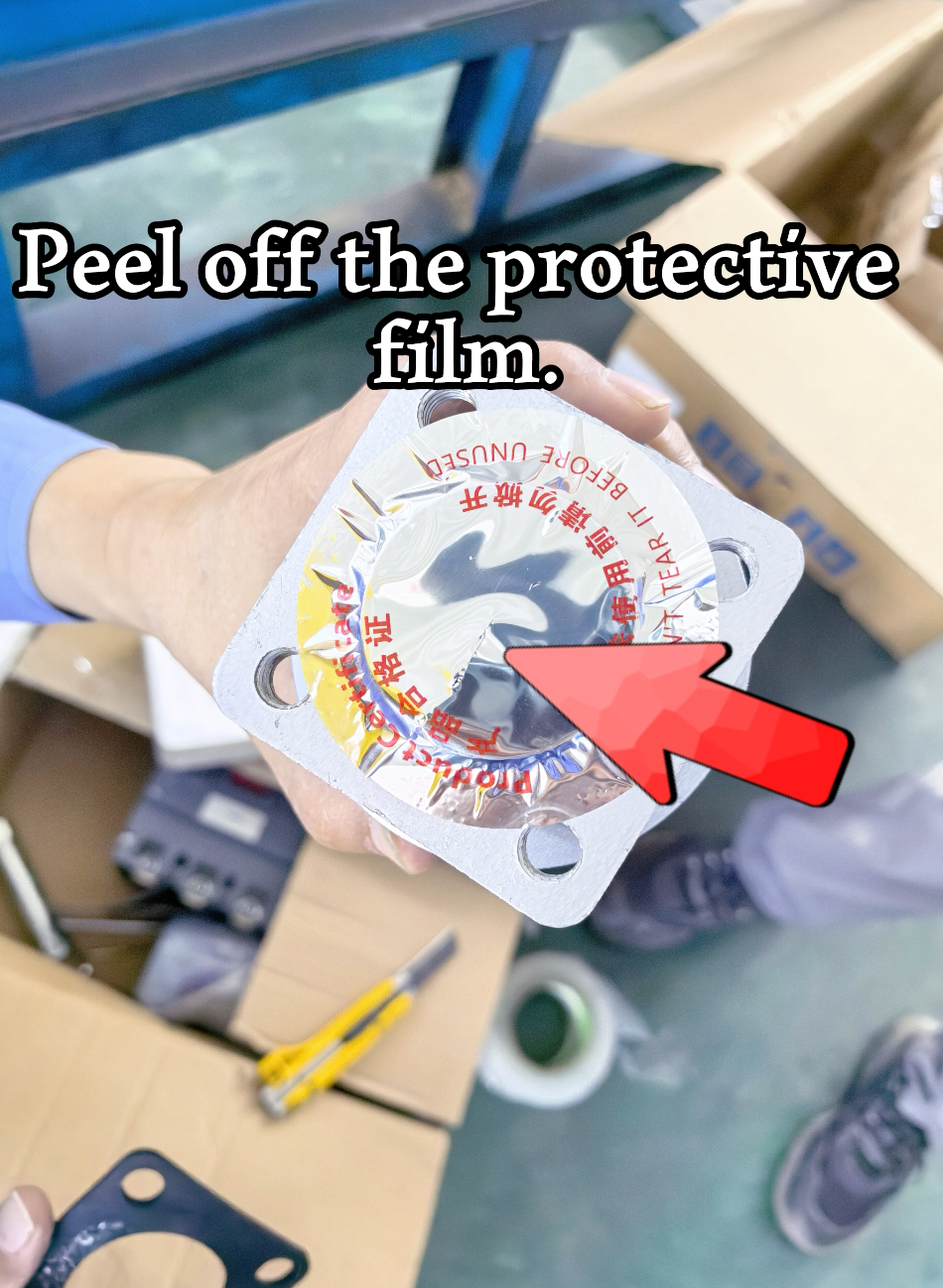
Installing the breather at an angle, using the wrong quantity of oil, leaving transport seals in place or connecting it to a blocked pipe can prevent correct operation.
Transformer Breather Inspection Checklist
Breather inspection should form part of the transformer’s routine condition-monitoring program.
External condition
Check that:
- The breather is mounted securely and vertically.
- The transparent chamber is not cracked or damaged.
- No oil or air leakage is visible.
- The inspection window is clean enough to observe the silica gel.
- Flanges, fittings and fasteners remain secure.
Silica gel condition
Confirm that:
- The silica gel colour corresponds to the manufacturer’s “dry” condition.
- The colour change has not reached the manufacturer’s replacement or regeneration limit.
- The desiccant has not become powdery, compacted or contaminated.
- Air passages and retaining screens are not obstructed.
A colour change across roughly one-half to two-thirds of the desiccant bed is sometimes used as a maintenance trigger for conventional units. However, this must not replace the instructions for the installed breather. Silica gel formulations and indicator colours vary.
Oil-seal cup
Verify that:
- The oil is at the specified level.
- The oil is clean and free from visible water or emulsification.
- The cup is not cracked or leaking.
- The gasket and retaining hardware are in good condition.
Connections and breathing passage
Inspect:
- The conservator connection pipe
- Flange gaskets and threaded connections
- Screens and internal airflow passages
- Signs of blockage, corrosion or physical damage
Functional condition
Unexpected pressure behaviour, abnormal bubbling, persistent one-way airflow or unusual conservator indications should be investigated according to the transformer and breather manuals.
When Should the Silica Gel Be Replaced?
Silica gel should be replaced or regenerated when it reaches the condition specified by the breather manufacturer.
Maintenance frequency depends on:
- Transformer oil volume
- Breather capacity
- Ambient humidity
- Ambient temperature
- Transformer loading
- Oil-temperature variation
- Frequency of thermal cycles
- Condition of the conservator and seals
Manufacturer data shows that these variables directly influence breather sizing and maintenance intervals. Therefore, condition-based inspection is generally more reliable than using the same replacement schedule for every transformer.
Some conventional silica gel can be regenerated by controlled heating, but the permitted temperature and procedure depend on the product. Contaminated or badly powdered desiccant should not automatically be reused.
Self-regenerating breathers are also available. These devices automatically dry the silica gel and monitor breathing cycles, reducing manual desiccant replacement requirements.
Important Safety Requirements
Transformer breather maintenance must be completed by qualified personnel under the site’s approved safety procedures.
Before removing, opening or servicing a breather:
- Follow the transformer manufacturer’s instructions.
- Confirm whether the transformer must be de-energized or isolated.
- Prevent unintended operation or pressure release.
- Use suitable personal protective equipment.
- Consider hot oil, electrical and working-at-height hazards.
- Protect the conservator opening from atmospheric contamination.
- Do not leave the breathing pipe open longer than necessary.
- Use only approved desiccant, oil, seals and replacement parts.
Operating instructions for transformer accessories warn personnel to de-energize associated equipment and prevent reconnection before electrical maintenance.
Why Breather Maintenance Matters
A transformer breather is a relatively small accessory, but it performs an important protective function. By drying incoming air and helping keep contaminants out of the conservator, it supports the condition of the insulating oil and the transformer’s overall insulation system.
In simple terms, the breather is the transformer’s dry breathing mask:
- It allows the conservator to exchange air.
- It removes moisture from incoming air.
- It helps filter dust and contaminants.
- It supports pressure equalization.
- It helps protect the insulating oil.
- It reduces avoidable maintenance risks.
Regular inspection of the silica gel, oil cup, seals and airflow path is therefore an essential part of oil-immersed transformer maintenance.
Transformer Solutions from Dingxin Electric
Dingxin Electric manufactures customized oil-immersed distribution and power transformers for utility, industrial, renewable-energy, commercial and infrastructure projects.
Transformer capacity, voltage ratio, frequency, vector group, impedance, tapping range, cooling method, accessories and monitoring functions can be configured according to the customer’s technical specification.
For transformer selection or maintenance information, contact Dingxin Electric with your required capacity, primary and secondary voltage, frequency, installation environment and applicable standard.
Table of Contents
- What Is a Transformer Breather?
- Why Does Transformer Oil “Breathe”?
- Why Is Moisture Harmful to a Transformer?
- Main Components of a Conventional Transformer Breather
- How Does a Transformer Breather Work?
- What Happens If the Breather Is Not Maintained?
- Transformer Breather Inspection Checklist
- When Should the Silica Gel Be Replaced?
- Important Safety Requirements
- Why Breather Maintenance Matters
- Transformer Solutions from Dingxin Electric