 EN
EN
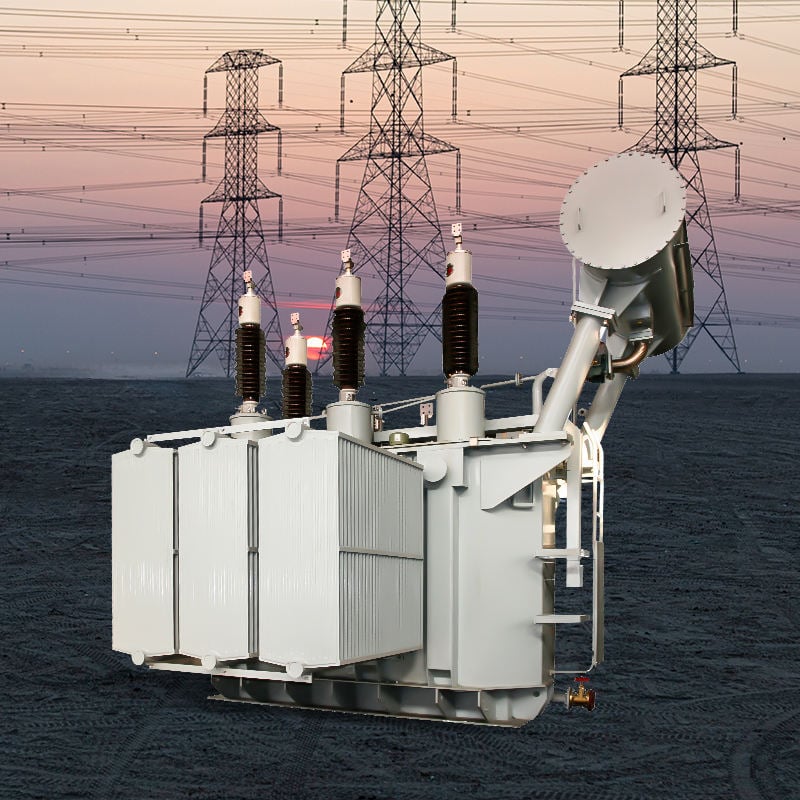
Wind power projects place unique demands on electrical equipment. Unlike conventional distribution systems, wind farms experience variable loads, frequent switching, harmonic distortion, vibration, and harsh outdoor or offshore environments. A wind energy transformer is therefore not just a standard step-up transformer. It must be engineered for long service life, stable grid connection, and low maintenance under demanding operating conditions.
Dingxin manufactures customized transformers for wind energy applications, including onshore wind farms, offshore wind projects, renewable power stations, and grid connection systems. As a transformer manufacturer, Dingxin can design wind power transformers according to project voltage, capacity, installation space, cooling method, insulation system, and environmental requirements.
What Is a Wind Energy Transformer?
A wind energy transformer is typically a step-up transformer used to increase the voltage generated by a wind turbine before the electricity is transmitted to the collector system or power grid. In many wind farms, the transformer is installed near the turbine, inside the tower, in the nacelle area, or in a compact outdoor substation.
The main function of a wind transformer is to:
- Step up low-voltage turbine output to medium voltage
- Support stable power transmission to the grid
- Withstand fluctuating loads caused by changing wind speed
- Reduce electrical losses during power collection
- Operate safely in high-vibration and harsh environments
Common voltage classes include 0.69 kV, 0.8 kV, 10 kV, 20 kV, 35 kV, and other project-specific ratings.
Why Wind Transformers Require Special Design
Wind power generation is variable by nature. A turbine may move from low load to rated output many times in one day. This creates repeated thermal and mechanical stress inside the transformer. Compared with a conventional industrial transformer, a wind energy transformer must handle more complex operating conditions.
Key design challenges include:
- Harmonics from converters and inverters
- Very fast transient overvoltage during switching
- Frequent load fluctuation
- High mechanical vibration
- Limited installation space
- Strict weight restrictions
- Corrosion, humidity, salt spray, and temperature variation
- High maintenance cost, especially for offshore wind farms
For offshore wind projects, reliability becomes even more important because repair access is difficult and downtime is expensive.
Electrical Design Considerations
A high-quality wind transformer should be designed with careful attention to insulation coordination, short-circuit strength, temperature rise, and harmonic performance.
Harmonics and Non-Sinusoidal Loads
Wind turbine converters can generate harmonic currents and high-frequency components. These harmonics may increase winding losses, stray losses, noise, temperature rise, and local overheating risk.
To improve performance, Dingxin can customize transformer designs with:
- Optimized winding structure
- Electrostatic shielding between windings
- Harmonic loss evaluation
- Improved cooling design
- High-quality core steel
- Reduced no-load and load losses
Transient Overvoltage Protection
Switching operations, vacuum circuit breakers, cable systems, and converter equipment may create fast transient overvoltages. These stresses can affect turn-to-turn and layer-to-layer insulation.
A properly engineered wind transformer may require:
- Strengthened insulation at winding ends
- Improved impulse withstand design
- Surge arrester coordination
- Optimized winding natural frequency
- Enhanced testing for insulation reliability
Mechanical Design and Vibration Resistance
Wind turbines create continuous vibration. For transformers installed in towers or nacelles, vibration resistance is a major design requirement. Mechanical resonance, loose bolts, weak lead supports, and poor clamping can reduce transformer life.
Dingxin can design wind transformers with:
- Reinforced tank structure
- Strong winding clamping
- Reliable lead fixing
- Anti-loosening fasteners
- Compact dimensions for tower access
- Structural design suitable for vibration conditions
For offshore or coastal wind farms, anti-corrosion protection can also be customized according to project environment.
Cooling and Insulation Options
Transformer life is strongly affected by winding hot-spot temperature. Wind transformers often require efficient cooling because load cycles and harmonics can increase heat generation.
Available design options may include:
- Oil-immersed wind transformers
- Dry-type wind transformers
- Natural ester or synthetic ester fluid
- Mineral oil insulation
- ONAN, ONAF, KNAN, or forced cooling systems
- Temperature monitoring devices
Ester fluid is often considered for wind applications because of its fire safety and environmental advantages, especially in offshore and confined installations. The final selection should depend on voltage level, fire requirements, environmental policy, maintenance strategy, and budget.
Typical Wind Transformer Specifications
Dingxin can customize wind energy transformers according to customer requirements. Typical parameters include:
- Rated capacity: custom design according to turbine power
- Voltage class: low voltage to medium voltage, including 10 kV, 20 kV, 35 kV and higher
- Phase: three-phase
- Frequency: 50 Hz or 60 Hz
- Winding material: copper or aluminum
- Insulation medium: mineral oil, natural ester, synthetic ester, or dry-type insulation
- Cooling method: natural or forced cooling
- Protection level: customized for indoor, outdoor, coastal, desert, or offshore use
- Standards: IEC, IEEE, ANSI, GB, or project-specific requirements
Dingxin Custom Wind Transformer Manufacturing
Every wind power project has different technical conditions. Dingxin accepts transformer customization for wind energy systems and can provide engineering support from specification review to manufacturing.
Dingxin can customize:
- Wind turbine step-up transformers
- Pad-mounted transformers for wind farms
- Oil-immersed wind transformers
- Dry-type wind transformers
- Offshore wind power transformers
- Renewable energy substation transformers
- Special transformers for harsh environments
By providing customized transformer solutions, Dingxin helps wind farm developers, EPC contractors, and electrical integrators improve reliability, reduce maintenance risk, and match local grid requirements.
Conclusion
Wind energy transformers must be engineered for more than basic voltage conversion. They need reliable insulation, harmonic resistance, thermal stability, mechanical strength, corrosion protection, and long-term operating safety.
For wind power projects requiring custom voltage, capacity, structure, cooling, or environmental design, Dingxin can provide tailored transformer manufacturing solutions. As a transformer manufacturer, Dingxin supports renewable energy projects with customized wind transformer designs built for reliable grid connection and long service life.